Preparing your home for roof repair is a crucial step to ensure the work proceeds smoothly, safely, and efficiently. Whether you're a homeowner or property manager in Essex, understanding how to get ready before contractors arrive can save time, reduce stress, and protect your property. This comprehensive guide will walk you through every essential stage—from inspection to securing insurance—offering practical tips tailored specifically for Essex conditions and regulations.
Understanding the Scope of Your Roof Repair
Before any repair work begins, it’s vital to grasp the full extent of your roofing project. This includes selecting a qualified roofing contractor, arranging a detailed roof inspection, and identifying any necessary permits.
Hiring a Reliable Roofing Contractor
Look for licensed professionals familiar with Essex roofing regulations and experienced in handling local weather-related damage. Ask for references and verify their credentials to ensure quality work aligned with safety standards.
Conducting a Thorough Roof Inspection
A detailed inspection will assess the roof structure, pitch, and material condition, revealing issues such as loose shingles, damaged flashing, or underlying rot. Knowing this allows accurate budget planning and avoids surprises during repair.
Checking Permit Requirements
Roof repairs often require construction permits in Essex, particularly for significant structural work. Contact your local council to understand the application process and avoid penalties or delays.
Budget Planning and Roof Structure Considerations
Estimate your costs realistically, accounting for materials, labour, scaffolding, and waste disposal fees. The complexity of your roof's structure and steepness will impact both pricing and repair timelines.
Scheduling and Planning Your Roof Repair
Effective scheduling minimises disruption for your household and neighbours while optimising working conditions for safety and efficiency.
Aligning With Work Schedules and Weather Forecasts
Roofing should ideally be scheduled during dry periods, avoiding Essex’s typically wet months. Use a weather planning chart to identify the best seasonal windows for outdoor work.
Notifying Your Neighbours Early
Advance communication about potential noise, parking obstruction, and work hours helps maintain good relations. A polite notification letter or conversation can prevent complaints.
Planning for Construction Noise and Vehicle Parking
Inform household members about anticipated noise levels and designated parking restrictions near your property to facilitate smooth site access for vehicles and equipment.
Preparing Emergency Contacts
Have contacts ready for your roofing contractor, emergency services, and utility companies in case unexpected issues arise during the work.
Safety Preparations Before Roof Work Begins
Safety is paramount during roof repair. You should collaborate with contractors to ensure all necessary precautions are in place.
Providing Appropriate Safety Gear
Contractors should bring or require personal protection equipment (PPE) including sturdy footwear, gloves, helmets, and high-visibility vests.
Ensuring Ladder and Fall Protection Safety
Confirm roof leak repair mw beal & son colchester that ladders are correctly positioned and stable. Discuss the use of safety harnesses, fall arrest systems, and roof anchor points to safeguard workers from falls.
Managing Electrical Hazards
Identify overhead power lines and underground cables to prevent accidents. Keep pets and family members clear of work zones, especially near electrical equipment.
Securing Pets and Vulnerable Residents
Make arrangements to keep pets indoors or away from scaffolding and waste areas, reducing risk and disturbance.
Preparing the Exterior Areas
Creating a safe, organised exterior space will support efficient roofing operations and protect your property.
Scaffolding Setup and Site Clearance
Clear pathways and garden areas where scaffolding will be erected. Remove or secure outdoor furniture, vehicles, and personal belongings nearby.
Debris Removal and Waste Disposal
Arrange for bins or skips to be placed on-site for timber, shingles, and general waste. Frequent removal prevents clutter and hazards.
Applying Protective Coverings and Controlling Dust
Use tarps or covers on plants, patios, and windows to shield them from falling debris and excessive dust, preserving your garden and external surfaces.
Preparing the Roof Surface
Before repairs start, the roof itself requires preparation to facilitate a smooth workflow.
Roof and Gutter Cleaning
Remove moss, leaves, and dirt using appropriate roof cleaning equipment. Clean gutters and drainage pipes to allow correct water flow during and after repairs.
Inspecting Shingles, Tiles, Flashing, and Sealants
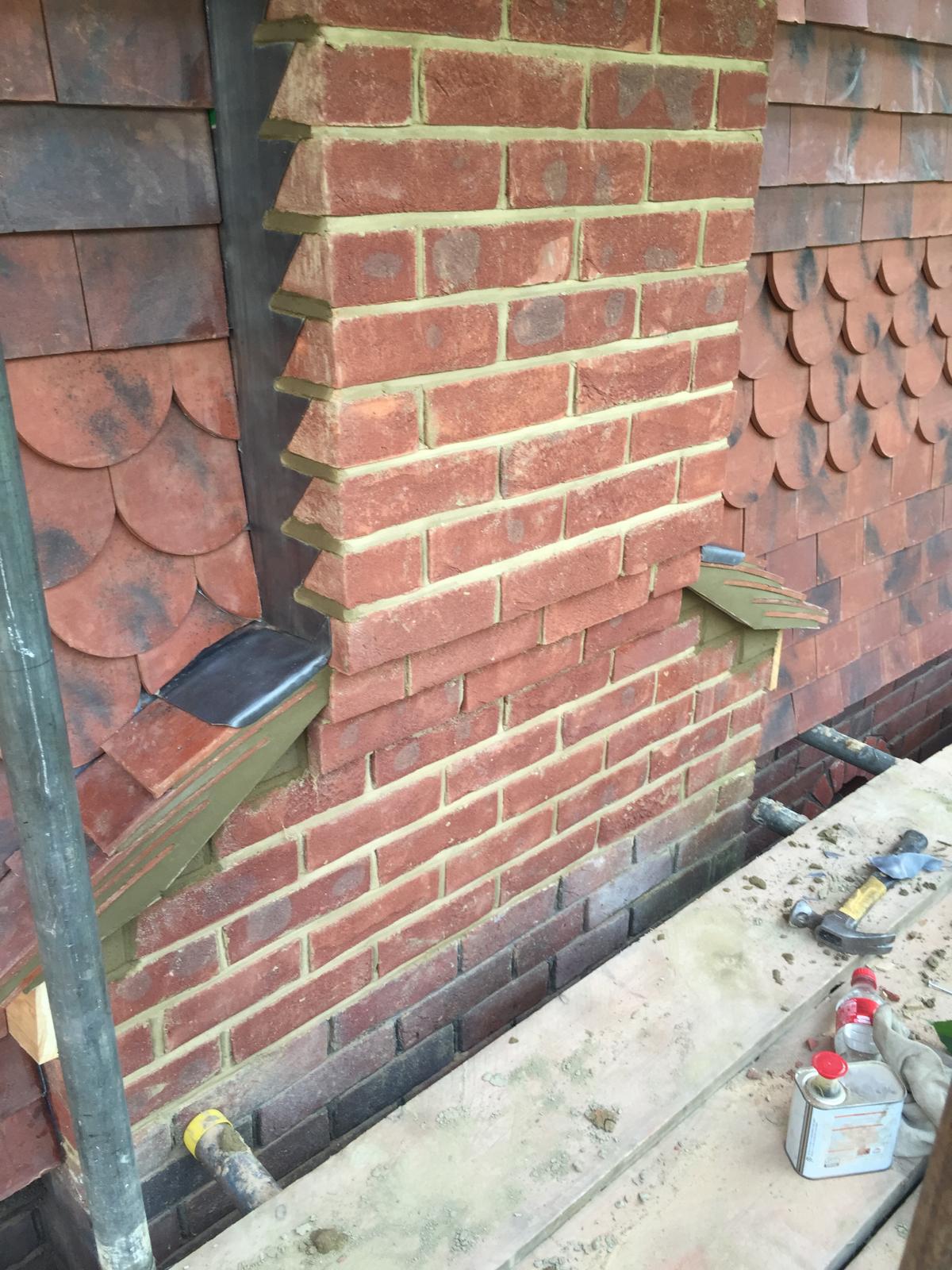
Replace broken tiles or shingles beforehand if possible. Check flashing around chimneys and vents; damaged sealant should be noted for repair as it is critical for waterproofing.
Protecting Roof Vents, Skylights, Fascia Boards, and Soffits
Ensure delicate structures like skylights are covered, and maintain fascia and soffit boards to prevent damage or pest entry during construction.
Protecting Your Property and Neighbourhood
Ensuring your property and nearby homes are safeguarded minimizes problems and supports community goodwill.
Reviewing Property Insurance and Liability Coverage
Verify your home insurance covers roof repair activities and any accidental damage. Request proof of liability insurance from contractors.
Preventing Water Damage and Enhancing Roof Waterproofing
Temporary roof coatings or waterproof membranes may be installed if rain is forecast. Confirm drainage systems function optimally to mitigate flood risk.
Checking Insulation and Drainage Systems
Inspect loft insulation and drainage channels to avoid moisture buildup that roofing repairs might exacerbate.
Organising Tools and Materials
Proper management of materials and tools on-site improves productivity and reduces risks.
Storing Roofing Materials Safely
Keep materials off the ground, dry, and secure from theft or weather damage. Follow best practices such as stacking bundles on pallets under covers.
Preparing Roofing Tools
Ensure all necessary tools are ready and maintained. Contractors typically handle specialised equipment, but homeowners should provide a clutter-free workspace.
Frequently Asked Questions
How early should I prepare my home before roof repair starts?
It’s advisable to begin preparations at least one to two weeks prior. This gives ample time for inspections, notifications, and clearing the work area.
Do I need a permit for roof repair in Essex?
Minor repairs may not require permits, but more significant work typically does. Always check with your local council’s planning department to comply with roofing regulations.
What safety equipment do I need to provide or expect during roof repair?
Contractors usually supply essential safety gear, but you should ensure fall protection, harnesses, ladder safety, and PPE are utilised.
How can I protect my gutters and windows during roof work?
Cover gutters with mesh guards and windows with protective plastic sheeting or boards to prevent damage from debris.
What should I notify my neighbours about regarding roof repairs?
Advise neighbours about expected work duration, working hours, noise levels, and any temporary parking disruptions.
How do I handle insurance if there’s accidental property damage during roofing?
Contact your insurer immediately. It’s helpful to have pre-agreed contracts outlining contractor liability and to document any damage with photos.
Can I stay in my home during roof repairs?
Usually, yes, but consider safety and noise factors. Discuss options with your contractor; some situations may require temporary relocation.
What happens if bad weather delays the roof repair schedule?
Most contractors will reschedule work. Good planning involves monitoring Essex weather forecasts and factoring potential delays into your timeline.
Conclusion
Preparing your home for roof repair in Essex demands careful organisation, safety foresight, and clear communication. By understanding the scope of repairs, scheduling work around suitable weather, ensuring robust safety measures, and protecting both your property and neighbours, you set the stage for successful roofing outcomes. Take these steps well in advance to streamline the process, minimise disruptions, and safeguard your investment. Ready to begin? Contact a trusted Essex roofing professional today to start your preparation journey with confidence.